Obesity, a widespread health issue, involves an significant accumulation of body tissue. It's rarely due to a single cause; instead, it’s typically a intricate interplay of genetic predispositions, dietary factors, and habitual influences. Family history can certainly contribute, but inadequate diets, a lack of physical activity, and certain medical conditions frequently exacerbate the situation. The possible health consequences associated with obesity are significant, including a heightened risk of heart disease, diabetes, cancer, sleep disturbances, and joint problems. Fortunately, various treatment methods are available. These might involve lifestyle modifications – like a healthy diet and consistent physical exercise – along with pharmaceutical interventions or, in some cases, weight loss procedures. Seeking professional advice is crucial for a personalized and successful fat reduction strategy.
Excess Weight Classes: Finding Assistance & Handling Body Mass
Feeling overwhelmed with your weight? Joining an weight management class can be a truly helpful step toward a healthier you. These structured programs often offer a mix of education on nutrition, physical activity, and coping mechanisms to handle the complex aspects of weight gain. Beyond the valuable insights, they also provide a vital support network where you can connect with others facing similar obstacles, find encouragement, and acknowledge milestones together. Finding the appropriate group for your needs is key - consider aspects like scheduling, cost, and the approach to ensure a productive journey. Don't hesitate to explore the possibilities and begin your quest to a fitter you!
Classification Codes for Weight Gain: A Diagnostic Guide
Accurately identifying obesity is crucial for effective person care and appropriate treatment planning. The International Classification of Diseases, 10th Revision (ICD-10|ICD-10 system|ICD-10 coding), provides a organized system for classifying various health diseases, including those related to weight. Several specific codes are allocated to indicate different degrees of intensity of weight gain and its associated co-existing conditions. For example, E66.0 denotes weight gain with overhydration, while E66.9 signifies excess weight, unspecified. Moreover, understanding the details of these designations allows healthcare professionals to charge appropriately and track population well-being trends successfully. Thus, familiarity with the ICD-10 codes is necessary for all participating in healthcare provision. Consider utilizing current resources and recommendations for the the accurate designation.
Determining Body Mass Index & Excess Weight: Estimating Your Possible Risk
Evaluating your Body Mass Index (BMI) is a straightforward first phase in analyzing your general well-being and potential risk for obesity-related complications. BMI takes into account your stature and weight to offer a number that groups you into a certain weight status: underweight, normal weight, overweight, or obese. While it’s not a perfect measure – it doesn't reflect muscle mass or body make-up – a higher BMI usually points to an increased risk of health challenges like heart disease, type 2 diabetes, and specific cancers. Various online tools and your doctor can help you figure your BMI. Remember to consider your results with a doctor professional for personalized advice.
Finding Assistance with Excess Weight
Dealing with weight issues can feel overwhelming, but you're certainly not isolated. Fortunately, a broad range of support systems are easily accessible to support your journey. Consider starting with your general practitioner, who can assess your health and offer personalized advice. Several online websites offer valuable information and interactive tools related to nutrition and exercise. Additionally, explore community gatherings – connecting with others facing similar obstacles can be remarkably more info helpful. Refrain from not seeking professional help from a registered dietitian or a fitness instructor to create a manageable approach for a healthier life. Remember that small, steady progress contribute to significant gains in your quality of life.
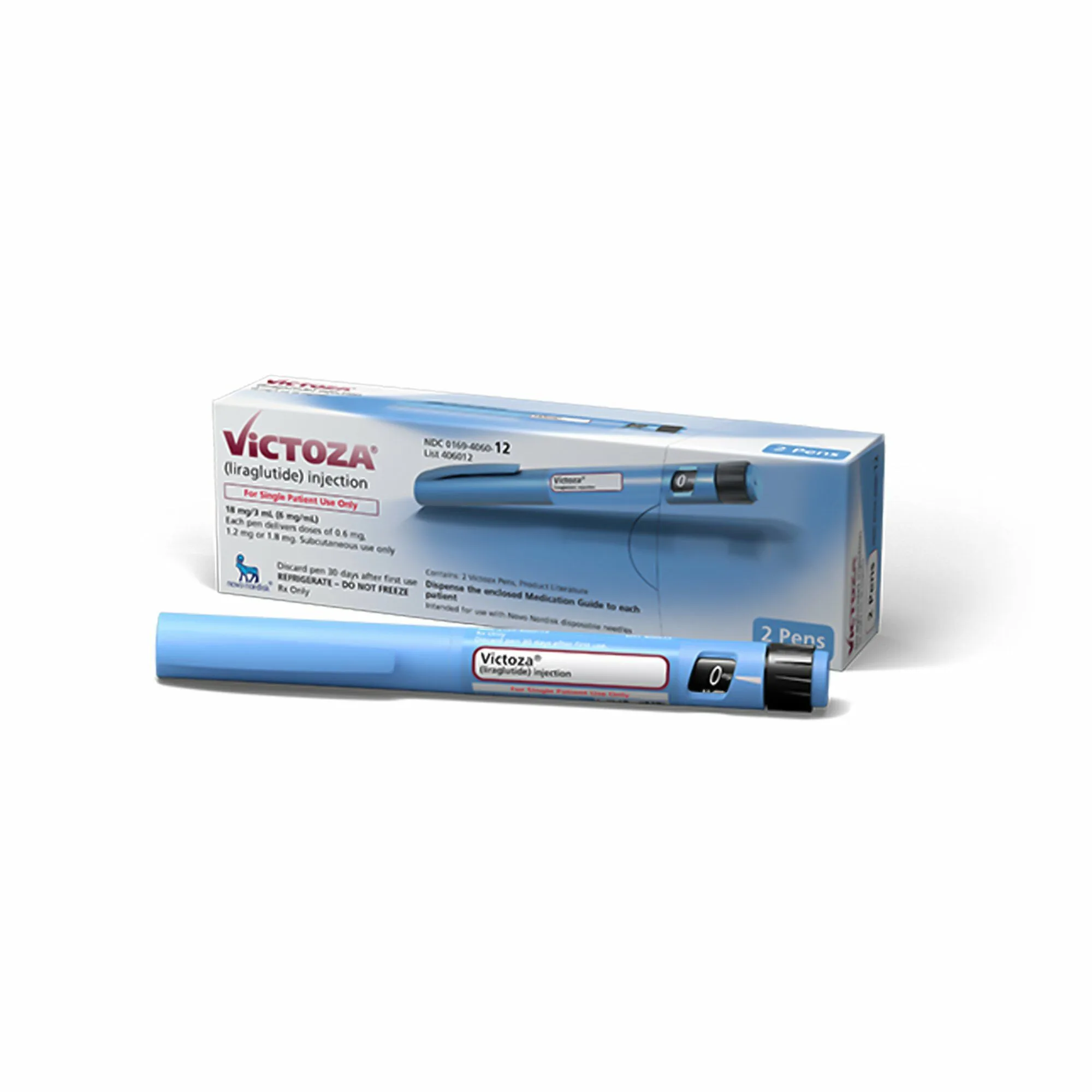
Excess Body Fat & Health
The increasing prevalence of excess weight presents a major public health challenge globally. This multifaceted condition, typically defined as having a Body Mass Index (BMI) of 30 or greater, is associated to a extensive range of chronic diseases. Furthermore, it's just a matter of physical appearance; it dramatically affects overall well-being. Common related medical conditions include type 2 diabetes, circulatory disease—such as elevated blood pressure and heart failure—certain kinds of cancer, osteoarthritis, and sleep disorders. Tackling obesity requires a holistic approach, encompassing lifestyle modifications like a balanced diet, regular physical activity, and, in some instances, treatment options.